
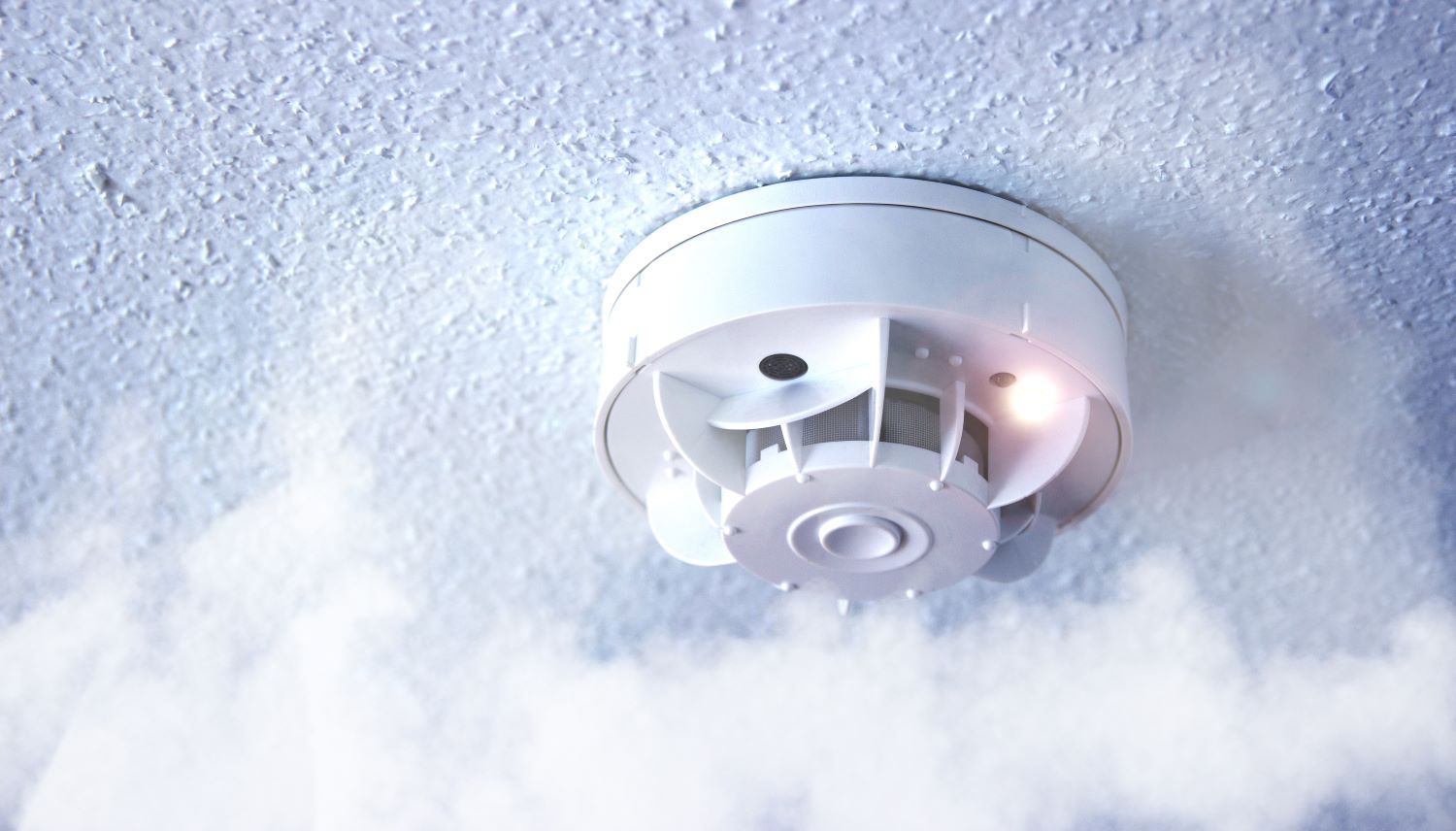
When it comes to fire safety, most people immediately think of smoke alarms. But another important device often used in homes, factories, and commercial buildings is the Heat Detector. While both serve the same goal—early fire detection—they work differently and are suited for different environments. Understanding the basics of a heat detector and how it differs from a smoke detector can help you choose the right protection for your property.
What Is a Heat Detector?
A Heat Detector is a fire detection device that responds to high temperatures. Instead of sensing smoke, it activates when the air around it reaches a certain temperature or when there is a rapid rise in heat.
There are two common types of heat detectors:
- Fixed Temperature Heat Detector: Activates when the temperature exceeds a pre-set threshold, often around 135°F (57°C).
- Rate-of-Rise Heat Detector: Triggers when the temperature rises unusually fast, even if it hasn’t reached the fixed threshold yet.
How Heat Detectors Differ from Smoke Detectors
- Detection Method
- Heat detectors respond to changes in temperature.
- Smoke detectors sense particles from smoke.
- Heat detectors respond to changes in temperature.
- Best Environments
- Heat detectors are ideal for kitchens, garages, boiler rooms, and dusty areas where smoke alarms may trigger false alarms.
- Smoke detectors are better in bedrooms, living rooms, and hallways where fires often start with visible smoke.
- Heat detectors are ideal for kitchens, garages, boiler rooms, and dusty areas where smoke alarms may trigger false alarms.
- Response Time
- Smoke detectors usually detect fires earlier because smoke often spreads before heat builds up.
- Heat detectors respond later but are more reliable in tough conditions.
- Smoke detectors usually detect fires earlier because smoke often spreads before heat builds up.
- False Alarm Reduction
- Heat detectors are less sensitive to dust, steam, or cooking smoke.
- Smoke detectors can be triggered by non-dangerous activities like frying food or shower steam.
- Heat detectors are less sensitive to dust, steam, or cooking smoke.
Benefits of Using Heat Detectors
A Heat Detector is not a replacement for smoke alarms, but it brings unique advantages:
- Reliable in areas with heavy dust, steam, or fumes.
- Simple design with fewer false alarms.
- Long-lasting with minimal maintenance needs.
- Excellent for protecting property where rapid flames are more likely than smoldering fires.
Where to Install Heat Detectors
- Kitchens: Avoid nuisance alarms from cooking smoke.
- Garages: Detect fires from vehicles or stored chemicals.
- Utility Rooms: Protect areas with heaters, boilers, or electrical panels.
- Industrial Spaces: Handle harsh environments where smoke detectors may fail.
Combining Heat and Smoke Detectors for Maximum Safety
The best fire safety strategy often involves using both heat and smoke detectors. For example:
- Install smoke detectors in bedrooms and hallways for early warning.
- Use heat detectors in kitchens and garages to reduce false alarms.
- Connect both devices to a fire alarm system for full coverage.
Conclusion
A Heat Detector is a valuable part of any fire protection plan, especially in areas where smoke detectors might give false alarms. While smoke detectors provide faster warnings, heat detectors add reliability in challenging environments. By combining both types of devices, you can create a balanced fire safety system that keeps your home or business protected at all times.